Supply Chain Transparency
A generational operation.
These garments are not sourced from commodity blank markets. They are the result of a direct, proprietary manufacturing relationship with our mills in Faisalabad — among Pakistan's most advanced vertically integrated organic textile producers. Every GSM weight, every knit structure, every dye recipe is ours.
Our position on transparency
We do not run sustainability campaigns. We publish license numbers. GOTS CU-843812 · OCS CU 1004832 · OEKO-TEX 21.HUS.88765 · BSCI-PKA-3821. These are independently audited, publicly verifiable, and renewed annually.
The Mills
Our Mills, Faisalabad.
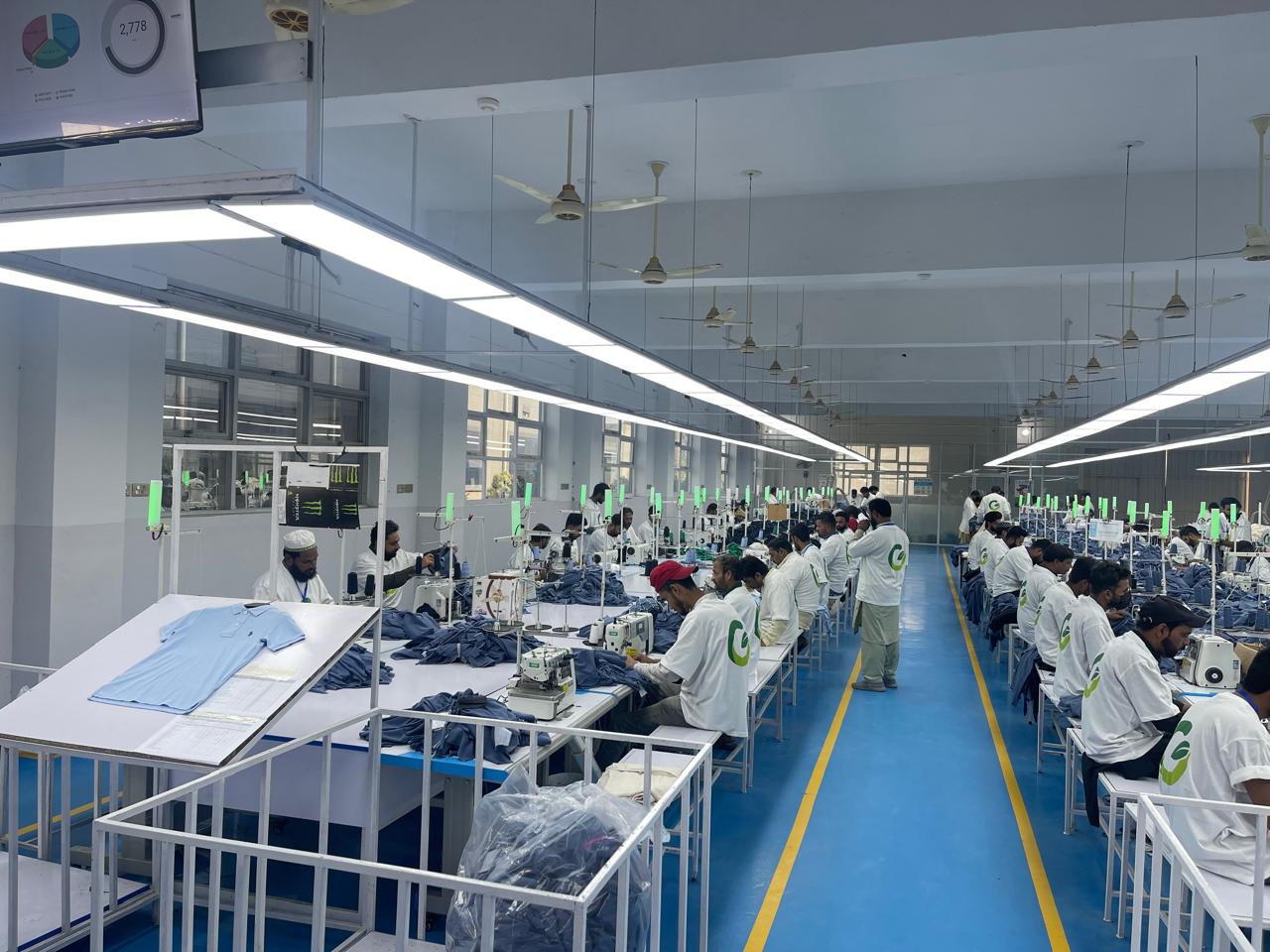
We own the vertically integrated supply chain. Our facilities in Faisalabad — Pakistan's textile capital — encompass spinning, knitting, dyeing, cutting, and sewing under one roof with RFID lot-tracking at every stage.
This is not an outsourced job. Estrah maintains permanent technical representatives on the production floor. Every batch passes 100% garment inspection before dispatch.
- 15K
- Garments / day
- 4,500kg
- Knitting capacity / day
- 12T
- Dyeing capacity / day
- 100%
- Inspection rate
End-to-End Process
From the field to the finish.
Organic Cotton Farming
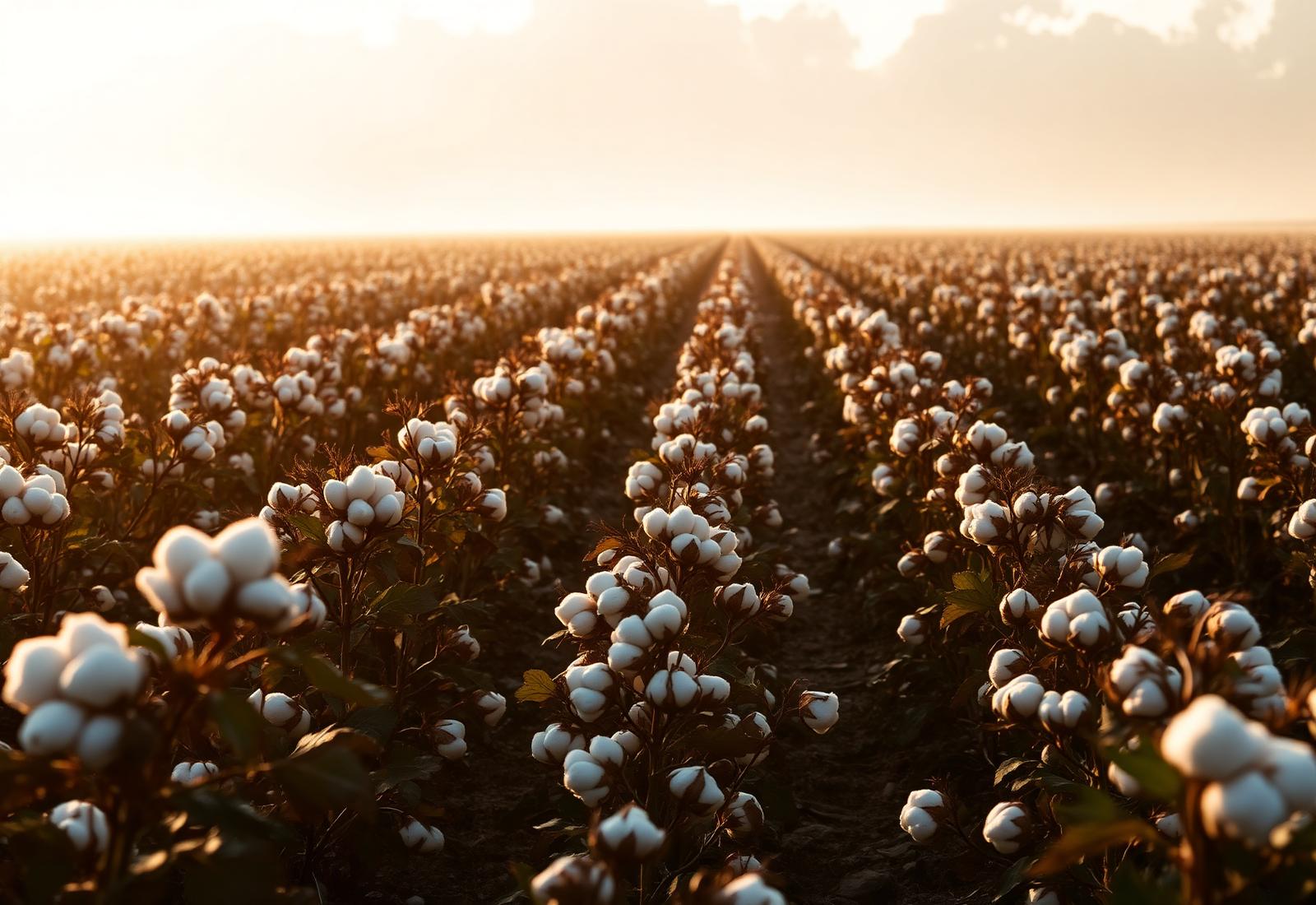
GOTS-audited cotton grown in Punjab, Pakistan. No synthetic pesticides, no GMO seed. Soil health monitored annually. Harvested under OCS chain-of-custody protocols.
Farm scope covered under GOTS license CU-843812. Fiber origin verified at gin and bale level.
Spinning & Yarn Preparation
Ring-spun combed yarn at 30/1 Ne for our T32 tee standard. Open-end spun at 20/2 Ne for loopback fleece. Yarn tested for tensile strength and count consistency before entering the knitting stage.
Spinning performed at our spinning mills — same facility, no third-party yarn procurement.
Knitting
Dense interlock jersey knitted to precise 300 GSM specification on circular knitting machines calibrated for Estrah's proprietary fabric programme. Loopback fleece for crewnecks and hoodies knitted to 400 GSM and 420 GSM respectively.
4,000–4,500 kg knitted per day. Every roll receives a fabric weight test. Off-spec rolls are reworked — not released.
Dyeing — Low-Impact Process
Reactive dyes only. No azo dyes. Dyehouse operates a closed-loop water treatment plant — 95% water recycled per batch. OEKO-TEX compliance tested for residual chemicals on every dye lot.
Dyeing capacity: 10–12 tons / day. Every colour matched to Estrah's Pantone spec within ΔE < 1.0.
Cutting & Sewing
Garments cut to Estrah's pattern block — drop-shoulder, boxy silhouette with a structured seam allowance built for durability. 4-thread flatlock seams throughout. Triple-needle felling on cuffs and hems.
Cutting capacity: 18,000–20,000 pcs / day. Sewing lines dedicated exclusively to Estrah's production runs.
Inspection & Dispatch
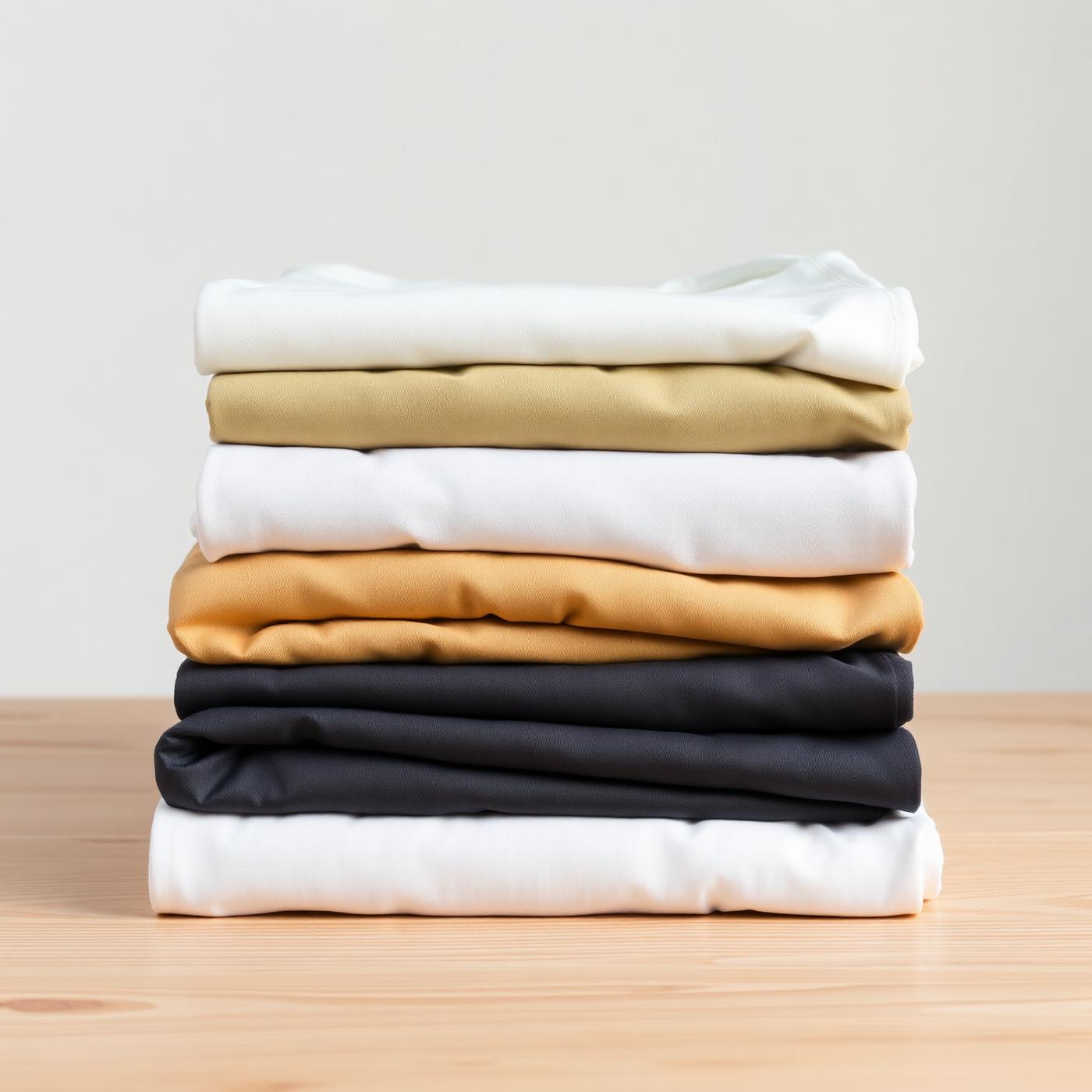
100% garment inspection at source — no AQL sampling shortcuts. Every garment checked for seam integrity, GSM compliance, colour consistency, and measurement accuracy against Estrah's tolerance spec.
RFID lot tags attached at cutting stage. Full traceability from fabric roll to final carton.
Go deeper
Review our lab reports and certification scope documents.